
Blog posts aren’t just filler content for your website.
They’re strategic posts that help to build domain authority, drive organic traffic to your website, and keep your audience informed with the latest industry insights.
When done well, they can be great supporting assets that help to educate your audience and also improve your website’s search visibility.
But writing blog content that not only ranks well but also engages your readers takes so much more than just putting words on a page.
Quality blog content starts with understanding who you’re writing for, choosing relevant topics, and structuring your content in a way that is both readable and SEO-friendly.
In this blog, we’ll go through the essentials of writing blog content that not only connects with your audience but also ranks well in search engines.
Understanding Your Audience
The best-performing blog posts all have one thing in common: clarity about who they’re for!
Without knowing your audience, even the most polished and detailed content can miss the mark.
Understanding who your target audience is sets the foundation for relevant, high-converting content.
Here’s how to do it properly:
1. Define Your Ideal Reader
Before you start to write anything, you need to understand who it is you’re writing for.
You should start by building a detailed picture of your ideal reader. You need to understand so much more than just their demographics.
Ask yourself these questions:
- What job do they have?
- What industry are they in?
- What challenges are they facing day to day?
- What kind of information or advice are they actively seeking?
Creating an audience persona will help you write more focused content that feels more personal, relevant and helpful to the reader.
In my opinion, the more specific you are in your targeting, the easier it will be to write content as if you’re speaking directly to the reader.
2. Identify Their Pain Points, Goals, and Questions
The best performing blog posts that I have seen all either solve a problem or answer a question that your audience is already searching for or thinking about.
This is when it’s important that you understand their current pain points and search intent.
To help you do this, start by listing:
- Common questions your customers ask in meetings or via email
- Frustrations that they voice during support calls, reviews or online chats
- Goals that they’re looking to achieve with products or services like yours
You can then validate these ideas with detailed keyword research.
I personally recommend tools like AnswerThePublic, Google Trends or Ubersuggest to help understand how your audience phrases their questions or queries.
These insights are like gold for SEO and headline writing purposes.
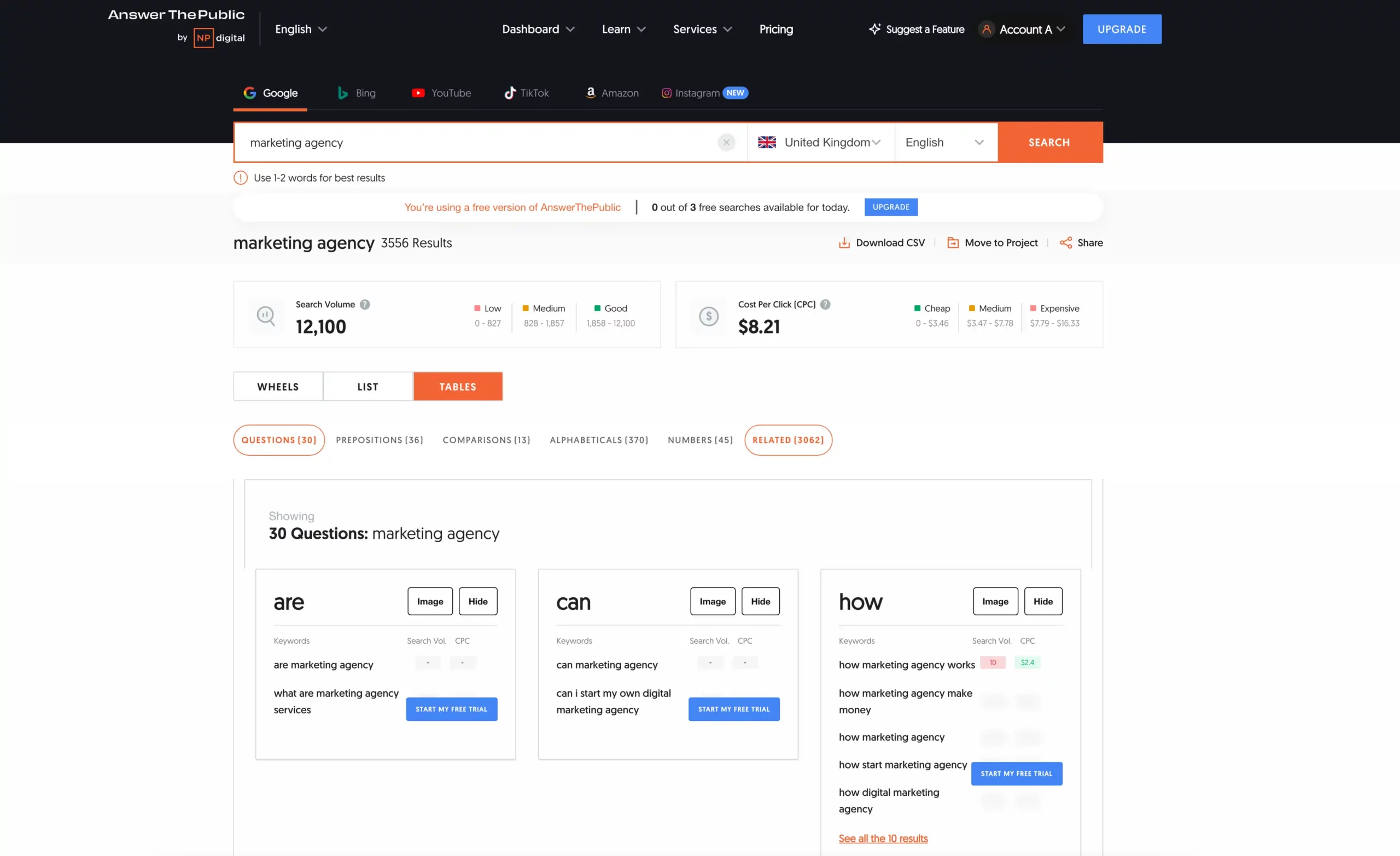
Source: AnswerThePublic
3. Use Data to Back Up What You Know
Intuition is a great starting point, but solid data will help to bring precision.
I recommend that you use:
- Google Analytics to identify which topics or blog categories attract the most visitors
- Google Search Console to track what queries are leading users to your blog
- Social listening tools (like Brandwatch or Sprout Social) to see what topics are sparking conversations in your industry
- Heatmaps or session recording (like Hotjar) to understand where people lose interest on the page
This will give you a clearer picture of what your audience is actually doing on your site.
4. Match Their Language and Level of Knowledge
You should make sure that you are writing content in your audience’s tone and knowledge level.
Are you writing for beginners who need clear, jargon-free content? Or are you writing for professionals who want detailed, data-backed insights?
Knowing this will help:
- Build trust (you’re literally speaking their language)
- Improve readability (with clear, relatable wording)
- Support SEO (mirroring their exact search queries)
Reading your customers’ emails, sales call transcripts, or seeing how they interact on industry forums can show you exactly how your audience communicates their problems.
That’s the language you should be using in your blog posts.
5. Revisit Your Audience Profile Regularly
The needs of your audience aren’t fixed.
As your business grows, trends start to shift, and new tools or ideas emerge. I recommend that you set a reminder every quarter to review:
- What topics are currently trending in your space
- How your existing content is performing
- Whether your audience persona still reflects your actual readership
The more in tune you are with your audience, the more useful, relevant and discoverable your blog content will be.
By doing all of this work upfront, you’re not just guessing what to write, you’re creating a content strategy that is informed, intentional and far more likely to deliver results.
Content Tips: Creating Posts People Actually Want to Read
When writing blog posts, it’s important to focus on content that holds someone’s attention long enough to inform, inspire, or persuade them to take the desired action.
The best content is relevant, easy to digest, and most importantly, written with the reader in mind.
Here are some of my top tips to help make sure your post actually gets read (and remembered):
1. Choose Topics That Matter
If you’re blog topic doesn’t answer a real question or speak to a real interest for your audience, it won’t achieve the desired results.
In my opinion, you need to use your audience research to guide your content ideas.
You should focus on blog topics that:
- Solve a specific problem
- Share expert insights or practical advice
- Tap into current trends or frequently searched questions
Use keyword research tools like SE Ranking, SEMrush or Google Trends to back up your ideas with real data.
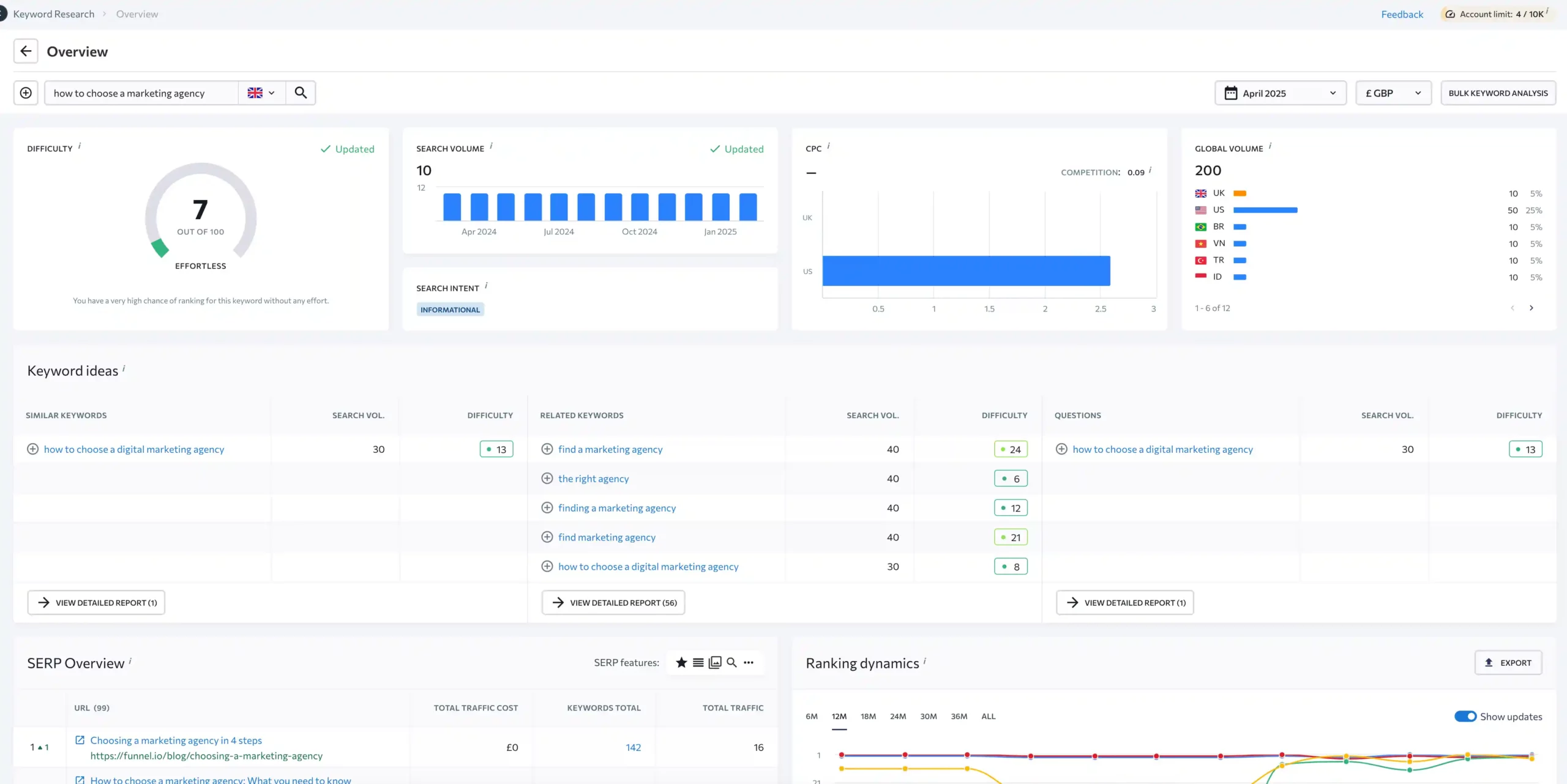
Source: SE Ranking
2. Use a Conversational Tone
You don’t read a blog post in the same way that you read a textbook.
Your readers will skim, scroll, and look for something that feels like it speaks directly to them.
So where possible, drop the industry jargon. Write your content like you’re speaking to your smart friend.
A conversational tone will help build trust, keep the reader engaged, and will naturally improve your blog’s readability.
These are all things that are great for SEO and user retention.
3. Tell Stories That Stick
Facts are what inform the user, but stories are what connect with them.
Wherever possible, use real-world examples, use cases, or mini-naratives in your content, this will help to give context to your advice.
Whether it’s a personal insight, a client experience, or a quick “before and after” scenario, storytelling is what makes your content more memorable and relatable.
These are two key elements that improve time-on-page and reader satisfaction.
4. Focus on Value, Not Just Word Count
Long form blog content can rank well in search engines, but only if it truly adds value to the reader.
Ask yourself:
- Does this section answer a specific question or query?
- Does it add depth or clarity?
- Would I find this useful if I were the reader?
Cause after all, quality beats quantity, every single time.
Tips to Structure Your
Blog Posts Effectively
Even the most well-researched and well-written blog content can fall flat if it’s hard for the reader to follow.
Structure plays such a huge role in how readable and rankable your blog post is.
A clear layout doesn’t just help your readers stay engaged, it also helps make your content easier for search engines to understand and properly index.
Here’s how I like to break things down:
1. Start Strong with a Clear Introduction
Your introduction paragraph should answer these two things: why this topic matters and what the reader will get out of the blog. You need to keep it short, but focused.
Avoid long introductions; from my experience, most readers will decide whether to keep scrolling in seconds.
2. Use Headings to Create a Clear Path
Break your content up into sections by using H2 and H3 headings.
This will help to improve scanability (for both readers and search engines) and help to make your longer post feel more approachable.
Descriptive subheadings also give you natural spots to include relevant keywords.

3. Keep Paragraphs Short and Punchy
Large blocks of text are one of the biggest reasons users bounce from a blog post.
Be sure to stick to 2 – 4 sentences per paragraph, and break up your content with bullet points or images.
Clear formatting isn’t just about looks — it directly impacts readability, time on page, and mobile performance, all of which influence your blog’s SEO rankings.
4. Guide the Reader with Internal Linking
I can’t stress enough how important it is to strategically link to related blog posts or service pages throughout your content.
This will help keep users on your site longer, it supports your SEO strategy, and provides a more helpful user experience.
For example, linking to a related page on our blog writing services can help to bring context and authority to this blog.
5. Wrap Up with a Purpose
Use the final section to recap the key points you discussed in the blog and give the reader a clear next step.
Whether that’s reading another post, downloading a resource, or reaching out to your team.
Optimise for Readability and SEO
Great blog content needs to be able to do two things well: be easy to read and easy to find.
That’s where readability and SEO come together. One helps humans understand your content, the other helps search engines. Both matter if you want your blog to perform.
Here’s how I make sure every blog post is optimised for both:
1. Use Keywords Naturally
Once you have identified the keywords that you want to target, work them into your content naturally.
That means including them in:
- The headline
- Your first 100 words
- Subheading (but only where relevant)
- Image alt text and file names
- The meta title and meta description
But make sure you never force keywords into your content. Keyword stuffing kills the flow of your content and harms your rankings.
One thing I always keep in mind is to write for people first.
2. Prioritise Clarity Over Complexity
Keep your sentences clear and concise.
Steer away from using industry jargon unless it is widely understood by your target audience. If an idea needs explaining, break it down into simple, easy-to-understand terms.
Search engines favour content that’s easy to read, and more importantly, so do your readers.
Tools like Grammarly can help you improve your readability scores.
3. Format for Skimming
Believe it or not, most readers won’t read every word, they’ll scan and only read what’s relevant to them.
Use bolding, bullet points, short paragraphs, and visuals to guide their eye. Structuring your content this way will improve dwell time and reduce bounce rates.
These are both extremely positive signals for SEO.
4. Don’t Forget Your Metadata
Meta titles and descriptions aren’t just important for search engines, they’re what users will see before they even land on your blog.
Be sure to make them clear, compelling and keyword-optimised.
A strong meta description can be the difference between someone clicking on your post or scrolling past it.
5. Link With Purpose
Internal links are what help guide readers through your site, and they spread SEO value across pages.
External links to trusted sources also help to boost credibility. Just make sure that any external links open in a new tab and point only to reputable sites.
Write Blog Content That
Delivers Real Results
Creating engaging blog content is about so much more than just good writing.
It’s about knowing your audience, choosing the right topics, and structuring your content to be clear, helpful, and search engine-friendly.
By applying the tips we have gone through together in today’s blog, you’ll be able to connect with your readers, improve your search visibility, and build long-term authority in your space.
Blogging is a long game, but when done right, it can become one of your most powerful digital marketing tools.
Ready to take your blog content to the next level?
Get in touch with Design Box today.
We’ll help you create SEO-driven blog posts your audience actually wants to read.

Meet The Author
Shannon Goodgame
Digital Marketing Executive
Need help with your blog content strategy?