Every eCommerce website owner knows the pain of the abandoned cart. For an eCommerce business owner, there is perhaps nothing more frustrating than seeing how close a lead was to a sale and wondering why that sale didn’t convert.
This is where mastering eCommerce conversion rate optimisation (CRO) comes into play. CRO is the art and science of enhancing your website to encourage visitors to complete a desired action, such as making a purchase.
Conversion rate optimisation is crucial for enhancing website performance to increase user conversions. Ecommerce conversion rate optimisation is particularly important for boosting sales and improving user experiences on ecommerce websites.
Design Box will dive deep into what makes a good conversion rate, how to calculate it, and the strategies you can implement to optimise your eCommerce site for conversions. For ecommerce businesses, understanding and implementing CRO is essential for increasing revenue and improving user experience. We’ll also highlight some common mistakes to avoid and share expert tips to help you get the most out of your CRO efforts.

What is a Good Ecommerce Conversion Rate?
A good eCommerce conversion rate varies by industry, but generally, a site’s conversion rate between 2% to 5% is considered healthy. However, top-performing eCommerce sites often achieve conversion rates of 5% to 10%.
It’s important to remember that a site’s conversion rate is crucial for customer engagement and optimisation strategies. Conversion rates are influenced by multiple factors such as the quality of your traffic, user experience, product offerings, and pricing.
While it’s tempting to compare your conversion rate to industry benchmarks, the best approach is to focus on continuous improvement and testing what works best for your specific audience.
How to Calculate Conversion Rate
Calculating your eCommerce conversion rate is straightforward. You can use the following formula:
Conversion Rate = (Number of Conversions / Number of Visitors) x 100
For example, if you had 50 conversions and 1,000 visitors in a month, your conversion rate would be 5%. This metric is crucial for understanding how effectively your site is turning visitors into customers.
Regularly monitoring and analysing your conversion rate can help you identify trends, measure the impact of changes, and make data-driven decisions to improve your eCommerce performance.
Implementing structured approaches and testing various strategies for rate optimisation can enhance user experience and boost conversion rates, ultimately translating to increased revenue. Google Analytics is an essential tool for tracking and analysing conversion rates, providing valuable insights into user behaviour and website performance.
Observe How Customers Behave to Improve Site Navigation
Understanding site visitors’ behaviour is key to optimising your eCommerce site. By analysing how visitors navigate your website, you can identify pain points and opportunities to enhance the user experience. Tools like heat maps, session recordings, and customer surveys can provide valuable insights into how users interact with your site.
For example, if you notice that customers frequently abandon their carts after a specific step in the checkout process, it may indicate a need for simplification or clarification at that stage. Improving site navigation can reduce friction, making it easier for customers to find what they need and complete their purchases, ultimately transforming visitors into paying customers.

What is CRO and SEO?
CRO and SEO are two sides of the same coin when it comes to eCommerce success. Conversion Rate Optimisation (CRO), a crucial aspect of rate optimisation, focuses on increasing the percentage of visitors who complete a desired action on your website, such as making a purchase.
Search Engine Optimisation (SEO), on the other hand, is about improving your website’s visibility in search engine results to attract more organic traffic.
While SEO drives traffic to your site, CRO ensures that the traffic converts. Both strategies are essential for a thriving eCommerce business, and they should work together seamlessly. For instance, SEO can bring in highly targeted traffic, while CRO ensures that this traffic is effectively converted into sales.
What is a CRO strategy?
Ecommerce conversion rate optimisation (CRO) is a critical practice aimed at improving sales without increasing marketing costs. A CRO strategy involves a systematic approach to optimising different aspects of an e-commerce website, such as product pages, checkout processes, and the use of trust signals, to boost conversions. This strategy typically includes:
Defining Clear Goals: Identifying what you want to achieve, whether it’s increasing sales, capturing more leads, or boosting average order value.
Audience Research: Understanding your audience’s needs, pain points, and behaviour to tailor your website accordingly.
Testing and Analysis: Running A/B tests on different elements of your site (e.g., headlines, call-to-action buttons, and page layouts) to determine what works best.
Continuous Improvement: Based on the data from tests and user feedback, continuously refine and optimise your website to improve conversion rates over time.
The Importance of Page Load Speed in CRO
Page load speed is a critical factor in conversion rate optimisation. Studies show that even a one-second delay in page load time can lead to a significant drop in conversions. Slow loading times frustrate users, leading to higher bounce rates and abandoned carts.
Optimising your website for speed by compressing images, leveraging browser caching, and using a content delivery network (CDN) can drastically improve user experience and conversion rates. Tools like Google PageSpeed Insights can help you identify areas for improvement.
Personalisation Strategies to Boost Conversions
Personalisation is a powerful CRO tactic that tailors the shopping experience to individual users. By using data such as browsing history, past purchases, and demographic information, you can create personalised product recommendations, targeted email campaigns, and dynamic content.
Personalised experiences increase engagement and encourage repeat purchases. For example, showing returning customers items related to their previous purchases or offering special discounts can make them feel valued and more likely to convert.
The Role of Social Media in Conversion Rate Optimisation
Social media is not just for brand awareness; it can also play a crucial role in CRO. By integrating social proof, such as customer reviews and testimonials, directly into your social media campaigns, you can build trust and encourage conversions.
Additionally, using platforms like Instagram and Facebook to showcase user-generated content, such as customers using your products, can create a more authentic connection with potential buyers. Consider running social media-specific promotions or ads that lead directly to a landing page optimised for conversions.

Using Video Content to Improve Conversion Rates
Video content is an effective way to engage users and enhance conversions. Product videos, tutorials, and customer testimonials can provide valuable information that helps customers make informed decisions.
Videos can demonstrate product features, show how a product works, or tell a story that resonates with your audience. Embedding videos on your landing pages or product pages can increase the time users spend on your site and improve conversion rates. Consider using tools like YouTube or Vimeo to host and share your video content.
Utilising Email Marketing in CRO Tools
Email marketing remains one of the most effective channels for driving conversions. By segmenting your email list and sending targeted campaigns, you can nurture leads and encourage repeat purchases.
Automated email sequences, such as abandoned cart reminders, post-purchase follow-ups, and personalised product recommendations, can keep your brand top-of-mind and drive conversions. Ensure your emails are mobile-friendly, visually appealing, and include clear calls to action.
The Influence of Trust Badges & Security Seals on Conversions
Trust badges and security seals can reassure customers that their personal and payment information is safe, which is crucial for conversion. Displaying badges from well-known security providers like Norton, McAfee, or TrustPilot, and highlighting SSL certification, can reduce cart abandonment by building trust. Additionally, clearly stating your return policy, privacy policy, and contact information can further enhance trust and encourage conversions.
Improving Site Search Functionality
A robust site search feature can significantly enhance user experience and conversion rates. If visitors can quickly find what they’re looking for, they’re more likely to make a purchase. Ensure your site search is intuitive, offers autocomplete suggestions, and provides relevant results.
Including filters and sorting options can also help users narrow down their search and find products faster. Analyse site search data to identify popular search terms and optimise product descriptions and categories accordingly.
Providing Customer Support
Providing excellent customer support can make a huge difference in conversion rates. Offering live chat, detailed FAQs, and easy-to-access customer service can help address any concerns or questions potential buyers may have, reducing friction in the buying process.
A responsive and helpful customer support team can alleviate doubts and guide customers toward completing their purchases. Additionally, offering 24/7 support, especially during peak shopping periods, can capture sales that might otherwise be lost.
How to Use Analytics and Data-Driven Insights for CRO
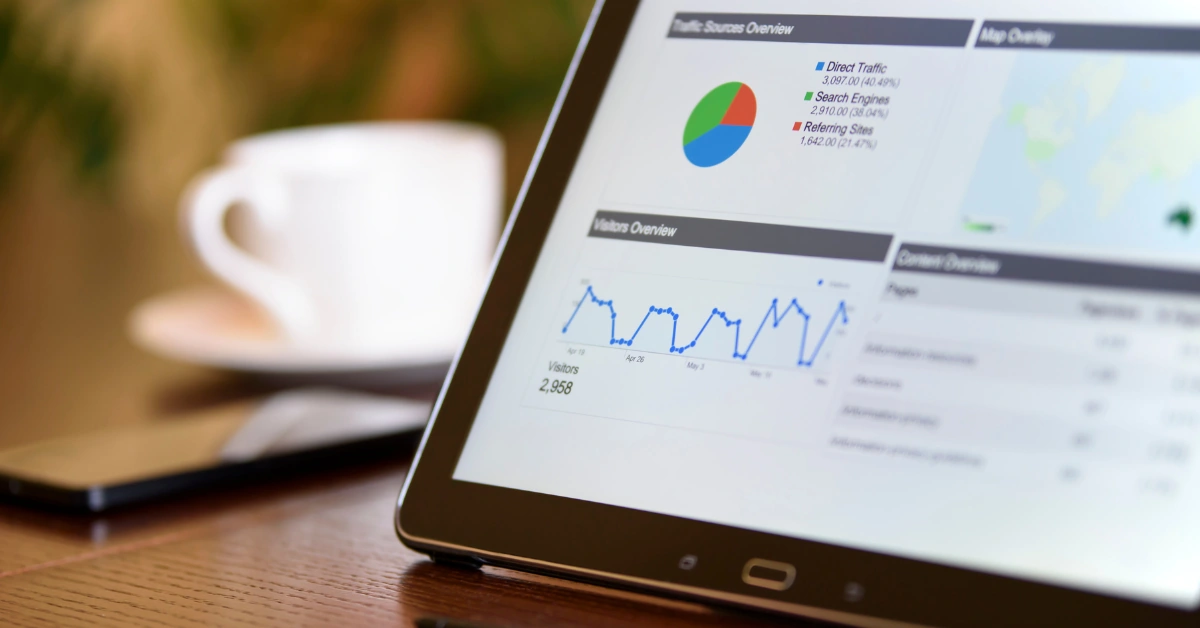
Data-driven decision-making is essential for effective CRO. By regularly analysing website analytics, heat maps, and customer feedback, you can identify areas of improvement and make informed decisions.
Google Analytics, for example, can provide insights into user behaviour, traffic sources, and conversion funnels. Use this data to identify which pages are underperforming, which traffic sources are most effective, and where users drop off in the conversion process.

4 Common CRO Mistakes—and How to Avoid Them
Even seasoned marketers can fall into common CRO traps. Optimising an ecommerce store is crucial to avoid these common CRO mistakes. Here are four mistakes to avoid:
Not having clear KPIs for your CRO project
Without clear Key Performance Indicators (KPIs) for your ecommerce website, it’s impossible to measure the success of your CRO efforts. KPIs might include metrics like conversion rate, average order value, or cart abandonment rate. Set specific, measurable goals for your CRO strategy and track progress against these benchmarks.
Create Complicated landing pages
Landing pages play a critical role in conversion rate optimisation and should be straightforward and focused on a single objective. A common mistake is overloading the page with information, multiple calls to action, or unnecessary design elements that distract from the primary goal. Streamlined landing pages with a clear and compelling call to action tend to perform better.
Don't just track metrics—test, test, test
Relying solely on metrics without testing can lead to misguided conclusions. A/B testing allows you to compare two versions of a page or element to see which one performs better. It’s a powerful tool to refine your approach and achieve better results.
Forgetting to build trust
Trust is a critical factor in conversion. If customers don’t trust your brand, they won’t buy from you. Ensure your website has trust signals, such as secure payment options, customer reviews, and clear return policies. Building trust can significantly reduce cart abandonment and increase conversions.

Expert Tips: How to Improve Conversion Rate Optimisation
Give detailed product descriptions
Product descriptions should be comprehensive, highlighting the features, benefits, and unique selling points of each item. Detailed descriptions help potential customers make informed decisions and reduce the likelihood of returns due to unmet expectations. Use clear, concise language and incorporate keywords naturally to boost SEO.
Optimise for Mobile Devices
With mobile commerce on the rise, ensuring your website is fully optimised for mobile users is crucial. A mobile-friendly site should load quickly, be easy to navigate, and have a streamlined checkout process. Mobile optimisation also plays a significant role in SEO, as search engines prioritise mobile-friendly sites in their rankings.
Allow customer reviews and provide product testimonials
Customer reviews and testimonials can significantly influence purchasing decisions. Positive reviews serve as social proof, assuring potential buyers of the quality of your products. Encourage customers to leave reviews and prominently display them on product pages. Consider adding product testimonials, especially for high-ticket items, to build additional trust.
Provide limited-time coupon codes
Creating a sense of urgency can drive conversions. Limited-time coupon codes offer customers an incentive to complete their purchase quickly. Ensure that the expiration date is clearly visible and promote the offer across relevant marketing channels. This tactic not only boosts conversions but can also help move excess inventory.

Leverage Retargeting to Re-engage Website Visitors
Retargeting is a powerful strategy to re-engage online shoppers who didn’t convert on their first visit. By using cookies, you can serve targeted ads to these users as they browse other sites or social media platforms.
Retargeting keeps your brand top-of-mind and can entice visitors to return and complete their purchase. Pair this strategy with a compelling offer, such as a discount or free shipping, to increase the likelihood of conversion.
Your Path to Higher Ecommerce Conversion Rates
Optimising your eCommerce conversion rate is an ongoing process that requires a strategic approach, continuous testing, and a deep understanding of your customers. By avoiding common mistakes and implementing the expert tips outlined in this post, you can significantly improve your site’s performance and increase your sales.
Whether it’s simplifying your checkout process, building trust with customers, or leveraging retargeting strategies, every small improvement can lead to a big difference in your bottom line.
At Design Box Media, we specialise in eCommerce solutions that drive results. If you’re ready to take your eCommerce business to the next level, contact us today to see how we can help you master CRO and boost your conversion rates.